IBC Tanks
Steel caged, polyethylene IBC tanks are UN/DOT 31HA1/Y certified liquid handling containers engineered for transport, storage, maneuverability, organisation and integration. The IBC totes are made from virgin grade, FOOD approved high-density polyethylene (HDPE) and are suitable for potable water applications. Click here if you wish to know more about Intermediate Bulk Containers (IBCs).
High-density polyethylene and UN/DOT certification approve poly totes for shipping and handling of company liquids, compatible chemicals, and Packing Group II and III hazardous materials (hazmat). They can be used on-site to distribute or receive commodities and shipping and distribution across regulated transit networks including road freight, railway, and maritime vessels.
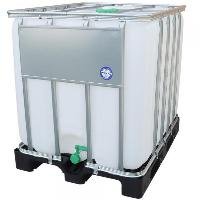
FOOD GRADE 1000 Liter BRAND NEW
IBC Tanks on Plastic Pallets
R2,850-00
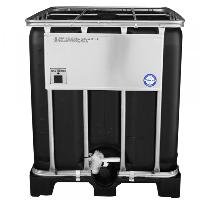
FOOD GRADE 100 Liter BRAND NEW Black
IBC Tanks on Plastic Pallets
R3,200.00
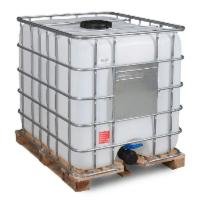
FOOD GRADE 1000 Liter BRAND NEW Clear
IBC Tanks on Wooden Pallets
R2,250.00
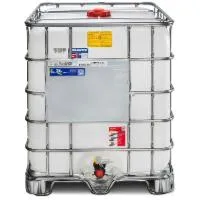
USED NON FOOD GRADE 1000 Liter IBC Tanks on Steel Pallets For Sale
R1,100-00
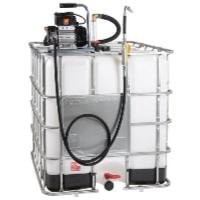
BRAND NEW Clear 1000 Liter IBC Tanks With 12v Electric Fuel Pump
R6,500-00
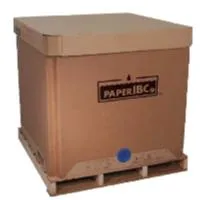
BRAND NEW 1000 Liter Heavy Duty Cardboard IBC Tanks With Plastic Liners & Valves For Sale
R1,250.00
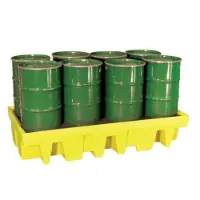
BRAND NEW Spill Containment Pallets For 8×210 Liter Drums or 2xIBC Water Tanks (700 liter)
R13,500-00
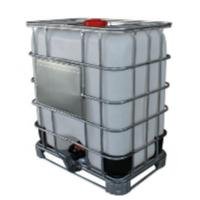
FOOD GRADE 500 Liter BRAND NEW
IBC Tanks on Steel Pallets For Sale
R1,800.00
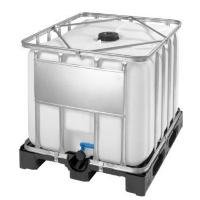
FOOD GRADE 800 Liter BRAND NEW Clear
IBC Tanks on Plastic Pallets
R2,300.00
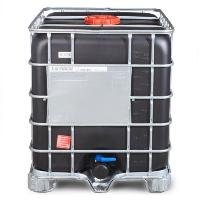
FOOD GRADE 1000 Liter BRAND NEW Black
IBC Tanks on Wooden Pallets
R2,850-00
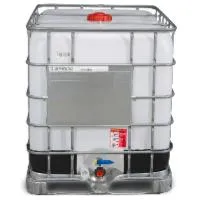
USED & CLEAN FOOD GRADE 1000 Liter IBC Tanks on Steel Pallets For Sale
R1,250-00
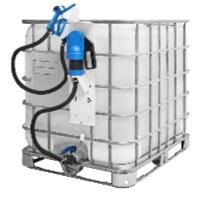
BRAND NEW Heavy Duty Empty Steel Cage for 1000 Liter IBC Water Tanks
R550.00
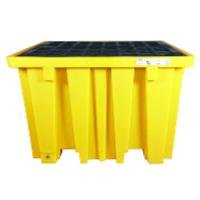
BRAND NEW Single Plastic Spill Containment Pallets For IBC Water Tanks (1350 Liter)
R8,500-00
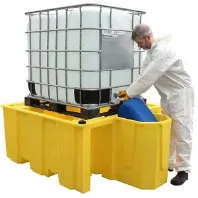
BRAND NEW Single Spill Containment Pallets For IBC Tanks with Integrated Dispensing Area (1350 Liter)
R12,000-00

FOOD GRADE 300 Liter BRAND NEW
IBC Tanks on plastic pallets
R1,550.00
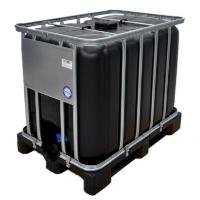
FOOD GRADE 600 Liter BRAND NEW Black
IBC Tanks on Plastic Pallets
R2,150.00
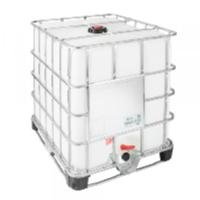
FOOD GRADE 1000 Liter BRAND NEW Clear
IBC Tanks on Steel Pallets
R2,700.00
BRAND NEW Clear 1000 Liter
IBC Tanks with Adblue Pump For Sale
R8,000.00
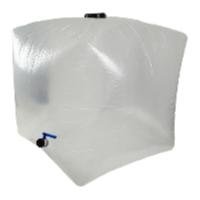
FOOD GRADE 1000 Liter Plastic Liners With Lids and Taps For IBC Water Tanks
R400.00
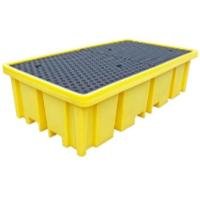
BRAND NEW Double Plastic Spill Containment Pallets For IBC Water Tanks (1100 Liter)
R15,000-00
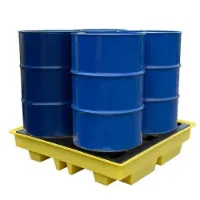
BRAND NEW 1000 Liter Low Base Spill Containment Pallets For 4×210 Liter Drums or Single IBC Tank (250 Liter)
R4,500.00
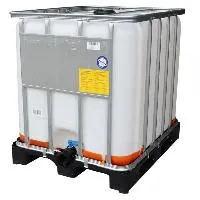
Anti-Static 1000 Liter BRAND NEW
IBC Tanks on Plastic Pallets
R3,500-00
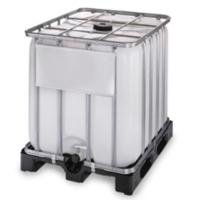
FOOD GRADE 600 Liter BRAND NEW Clear
IBC Tanks on Plastic Pallets
R2,000.00
FOOD GRADE 1000 Liter BRAND NEW Black
IBC Tanks on Steel Pallets
R3,000-00
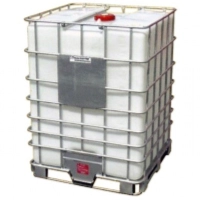
FOOD GRADE 1500 Liter BRAND NEW Black
IBC Tanks on steel pallets
R3,300.00
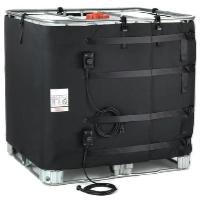
BRAND NEW Clear 1000 Liter IBC Tanks With Heater Jackets For Sale
R6,500-00
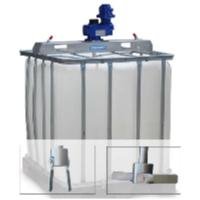
BRAND NEW Clear 1000 Liter IBC Tanks With Variable Speed Electric Mixer/Agitator For Sale
R6,800.00
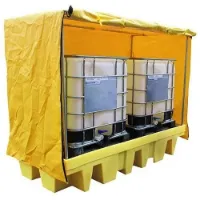
BRAND NEW Clear 1000 Liter Covered Double Spill Containment Pallets For IBC Water Tanks (700 Liter)
R19,500.00
IBC Tanks FAQs
- What does IBC stand for?
IBC stands for intermediate bulk container. They are large, portable tanks designed to store and transport liquids and semi-liquids. Available in a wide range of capacities from 300 to 1,500 litres, IBC water tanks are widely used in various industries to store moderate to large quantities of substances.
Their stackable design allows for efficient use of space, making them perfect for both storage and transportation purposes. Additionally, IBCs often come equipped with pallet bases, making them compatible with forklifts and other handling equipment, easing the process of loading and unloading. IBCs are popular across industries dealing with food and beverages, chemicals, and agriculture, where the safe and efficient storage and movement of substances is paramount.
Always make sure you are familiar with the correct handling procedures and adhere to industry standards. Regular inspections and maintenance of IBCs will help prevent potential leaks or damages, ensuring the substances they hold are secure. When selecting your IBC, consider the materials they are made of and their compatibility with the substances you intend to store or transport.
- Can I drink water from an IBC Water Tank?
IBC water tanks are not inherently designed or intended for potable water use. Our IBCs are typically made from materials like high-density polyethylene (HDPE) or metal, and they are primarily used for storing and transporting non-toxic liquids, chemicals, and granulated materials. They are not specifically manufactured to meet the strict requirements for storing and transporting potable water.
While some IBC water tanks may have been previously used for food-grade or non-toxic substances, this does not automatically make them suitable for potable water storage. The key concern lies in the potential for contamination or chemical residue from previous contents. Without proper cleaning, sanitisation and certification, using an IBC tank for potable water can pose health risks.
If you intend to use an IBC water tank for storing drinking water, it is essential to verify its suitability and safety. Look for IBC water tanks explicitly labelled as “potable” or “food-grade”. Alternatively, consider using purpose-built water storage containers to ensure the safety of the water you intend to consume.
- How to I safely fill an IBC Water Tanks?
To safely fill an IBC first make sure that the pallet, cage and bottle and valve are suitable for use with the intended product. Ensure that the valve is securely tighten to the inner bottle and that the valve is closed and that the drip cap is secured and tightened. Check that the inside of the bottle is clean. When hot filling product do not exceed 65°C. When bottom filling make sure that the vents are functioning correctly or open the top cap. Do not over fill the IBC. After
filling, if the product has a UN number, ensure that the lid seal is correctly positioned and tighten the screw cap to 70-80 Newton/Meters.
- How do I transport an IBC safely?
Do not lift IBCs from the top frame. Ensure that the fork truck tines are fully inserted under the IBC before lifting. Ensure that the vehicle floor is in good condition and free of all nails etc. that could puncture the IBC. Always transport IBCs with the correct labeling attached to the ID Plate.
Always secure IBCs to prevent possible movement during transit.
- IBC adapters, which one do I require?
If you would like to attach a garden hose to your IBC- HFUD/2063 would be the adapter required. Warm the hose to help in pushing the hose onto the adapters barb, if possible raise the IBC (on wooden pallets) to assist with gravity flow
However, if a 2 inch male BSP is required then the 016136 + 1069497 would be recommended. For those who wish to attach other items to the IBC valve, this adapter turns the valve’s buttress thread into a female 2 inch BSP fitting more common here in South Africa.
If a 1 inch Male BSP is what you are after then the 31PB24 is the right choice, however if you require a 1” female BSP then 31PN15C is the right adapter.
If you wish to fit a 1” Male or 1” Female BSP (as mentioned above) – 31PB24 or 31PN15C to an IBC then a 016136 & 1069497 is required.
- Can the IBC’s (intermediate bulk containers) be stacked?
Yes, depending on the pallet type, our IBCs can be stacked as follows whether empty or full:
MX IBCs – with metal or plastic pallets – Up to 4 High (with a maximum SG of 1.6)
SX IBCs – with metal pallets – Up to 4 High (with a maximum SG of 1.6)
LX IBCs – with wooden or plastic pallets – Up to 3 High (with a maximum SG of 1.4)
- How long do IBC tanks last?
The lifespan of IBC tanks can vary depending on several factors. The duration of their functionality will be influenced by the materials they are made from, the quality of construction, and how well they are maintained. Generally, IBC tanks made from high-quality materials like stainless steel or robust plastics such as HDPE can last anywhere from 5 to 20 years or more with proper care.
To extend the longevity of your IBC tank, you should implement regular inspections and maintenance routines. Check for signs of wear, corrosion, or damage, and address any issues promptly. Keep the tanks clean and free from residue, especially if they have been used to store chemicals or other substances. Additionally, store the IBC tanks in a suitable environment, away from extreme temperatures or harsh weather conditions that could deteriorate the materials over time.
When using IBC tanks for storing liquids, it’s essential to follow the manufacturer’s guidelines and ensure they are not exposed to conditions that could compromise their structural integrity. Regularly assess the condition of the seals and closures to prevent leaks and spills. By taking a proactive approach to maintenance and adhering to safety protocols, you can maximise the lifespan of your IBC tank and get the most out of your investment.